
Electrical Codes, Power Distribution & Safety
The code book, the single-line diagram and the safe-work rules every plant electrician needs before touching equipment.
Course sheet (PDF) for ELEC 101, two pages, opens in a new tabEighteen courses with 3D simulators, interactive checklists and a two-page course sheet for each. Learn at your own pace in the Academy.

Start each track at 101. Every course has a two-page PDF sheet with objectives, major topics and highlights. Enrol, sign in and pay inside the Academy.
Codes, motors, drives, standby power, SCADA and safe-work practice for plant electricians.
The code book, the single-line diagram and the safe-work rules every plant electrician needs before touching equipment.
Course sheet (PDF) for ELEC 101, two pages, opens in a new tabMotor control centers, variable frequency drives and emergency power — the equipment that keeps pumps turning and plants running through an outage.
Course sheet (PDF) for ELEC 102, two pages, opens in a new tabFrom the 4–20 mA loop to the SCADA screen — then the predictive testing and root-cause methods that restore a failed plant fast.
Course sheet (PDF) for ELEC 103, two pages, opens in a new tabPumps, seals, bearings, alignment, valves and hydraulics for maintenance mechanics.
The maintenance trade, plant safety rules and the hydraulics every pump, valve and pipe decision rests on.
Course sheet (PDF) for MECH 101, two pages, opens in a new tabHow pumps move water, sludge and chemicals — and how to select, start, troubleshoot and rebuild them.
Course sheet (PDF) for MECH 102, two pages, opens in a new tabThe reliability skills that decide how long rotating equipment lives: seals, lubrication, alignment and condition monitoring.
Course sheet (PDF) for MECH 103, two pages, opens in a new tabEvery valve type and actuator, the mechanical heart of treatment processes, and the PM programs and troubleshooting that keep distribution and collection systems running.
Course sheet (PDF) for MECH 104, two pages, opens in a new tabMeasurement, signals, final control elements, PLCs and OT cybersecurity.
How every common plant sensor works, how to install it correctly and how to read what it tells you.
Course sheet (PDF) for IC 101, two pages, opens in a new tabWiring and signal integrity, valves and drives that act on the process, and the PID control that ties it together.
Course sheet (PDF) for IC 102, two pages, opens in a new tabProgrammable control, plant networks and security — then calibration, commissioning and troubleshooting that prove the system works.
Course sheet (PDF) for IC 103, two pages, opens in a new tabVentilation, refrigeration, heating and controls for treatment-plant buildings and hazardous spaces.
Everything you need to understand how plant HVAC works: codes, heat and moisture, the refrigeration cycle, air distribution and ventilation of classified spaces.
Course sheet (PDF) for HVAC 101, two pages, opens in a new tabBoilers and furnaces, chilled- and hot-water systems, building controls, corrosion-resistant design and the maintenance and troubleshooting skills to keep plants comfortable and safe.
Course sheet (PDF) for HVAC 102, two pages, opens in a new tabDrinking-water treatment from source water to the laboratory, built for Virginia waterworks operators.
Virginia licensing and the regulatory framework, source water and wells, and the coagulation–flocculation–sedimentation steps that start every surface-water plant.
Course sheet (PDF) for DW 101, two pages, opens in a new tabFilter operation and backwash, chlorine disinfection with CT and byproduct control, and corrosion control, fluoridation, iron/manganese, softening, taste and odor, membranes and adsorption.
Course sheet (PDF) for DW 102, two pages, opens in a new tabSampling and lab analysis, pumps and hydraulics, equipment O&M, and the safety, security and emergency-response skills that protect people and the public.
Course sheet (PDF) for DW 103, two pages, opens in a new tabCollection, biological and nutrient treatment, solids and laboratory work for wastewater operators.
Virginia licensing and VPDES permits, wastewater characteristics, collection and lift stations, headworks, and primary treatment and ponds.
Course sheet (PDF) for WW 101, two pages, opens in a new tabActivated sludge process control, fixed-film and advanced biological systems, nutrient removal, tertiary treatment and disinfection.
Course sheet (PDF) for WW 102, two pages, opens in a new tabSolids handling, digestion and biosolids; sampling, laboratory analysis and process monitoring; and equipment O&M, hydraulics, safety and security.
Course sheet (PDF) for WW 103, two pages, opens in a new tabCertificates record completion; CEU/CPE credit is subject to approval by your licensing board or employer. Independent training, not affiliated with or endorsed by any licensing board or standards body.
Prepared with AI assistance. Course lessons, study guides, practice questions and explanations were prepared with the help of AI and can contain mistakes. Please double-check formulas, regulations and answers against official sources before you rely on them. Study aid only: no guarantee of exam results, a licence or continuing education credit. Read the full disclaimer.
Short briefings from our team, written for operators, managers and decision makers.
What to bring, what to expect and how results are shared with partners.
ReadHow to plan your study time, use practice exams and tackle operator math.
Read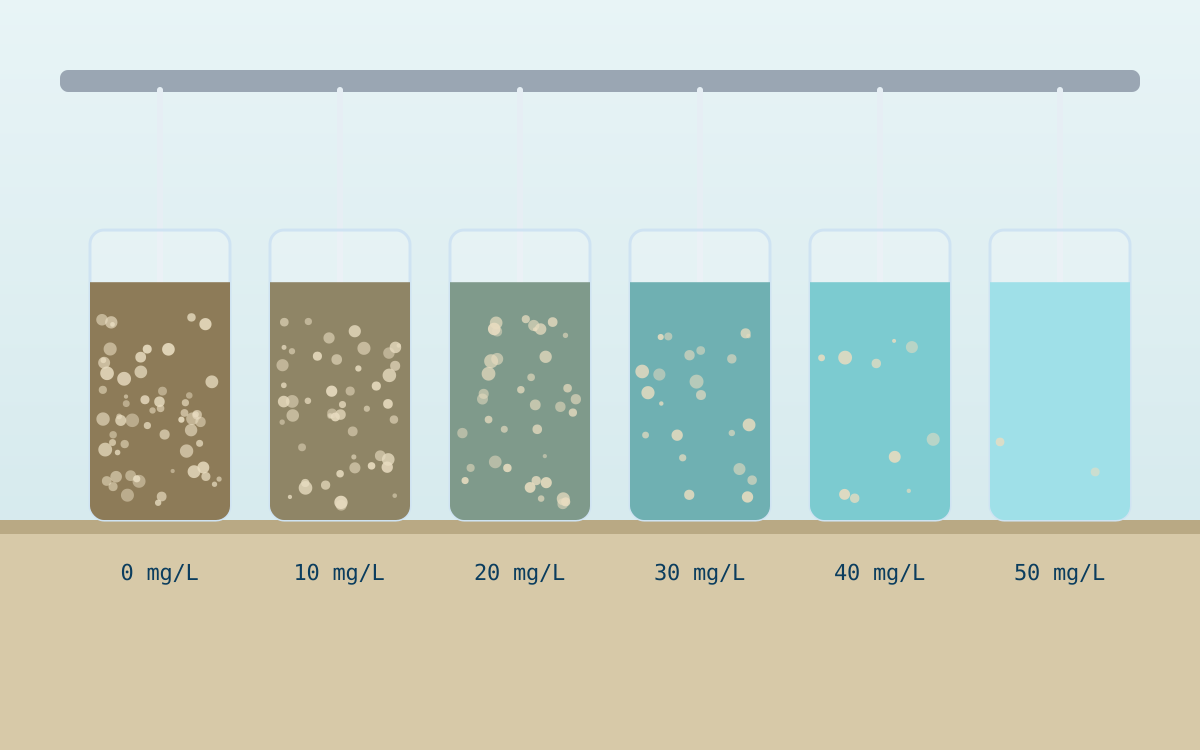
Bench and pilot testing compared with the cost of choosing the wrong process.
Read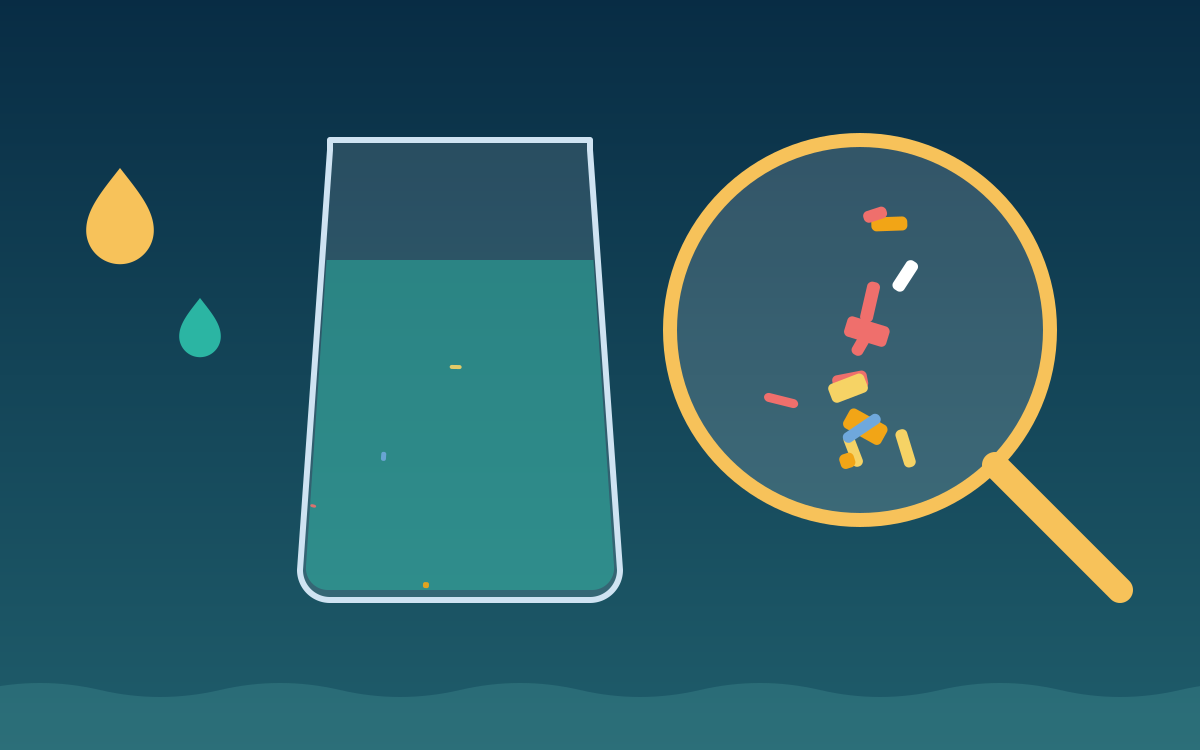
Where the science stands, and why methods and standards are still being worked out.
Read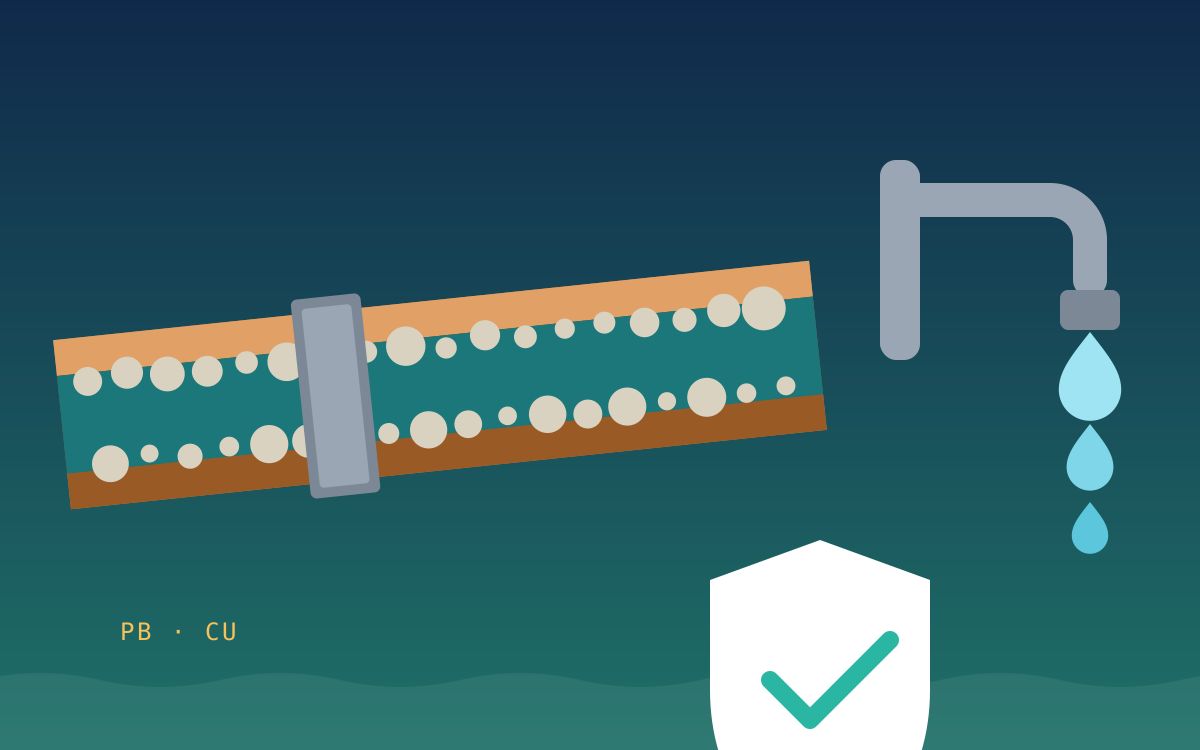
Common inventory gaps and how to close them before the next reporting cycle.
Read
A plain-language guide to sampling, reporting and treatment options as PFAS rules continue to develop.
ReadUtilities, workforce boards and colleges can bring a whole team into the Academy. Tell us about your group and we will follow up.